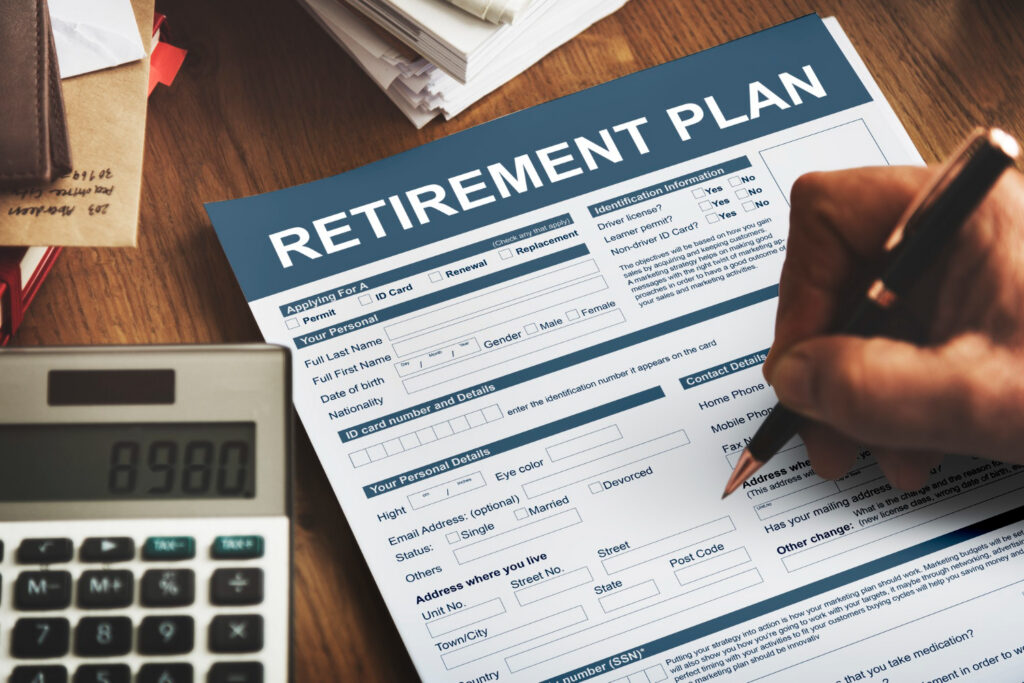
Most people associate retirement with saving money. For years, you work, save, invest, and build your accounts. This period is known as the accumulation phase. However, once you retire, things change drastically, and you no longer build your savings; you live on them. This period is known as the distribution phase and is an important part of retirement planning. For effective retirement planning in Fort Myers FL, it’s essential to understand this shift. Let’s explore these phases in detail, so you can protect your savings and live with confidence.
The Accumulation Phase
During your working years, retirement planning is mostly about savings and investments. You may contribute to a 401(k) or IRA, invest in stocks and bonds, increase your savings, and focus on long-term growth. The main aim is to accumulate wealth so you can enjoy life even after retirement. In the accumulation phase, as you’re still earning, you can take higher investment risks because even if the market goes down, you can recover gradually. However, after retirement, everything changes.
The Distribution Phase
Once you retire, you stop getting paychecks and instead depend on your savings for income. During this time, you may start asking important questions: How much can I safely withdraw each year? Will my savings last 20 or 30 years? How can I reduce taxes on withdrawals? How can I protect my money if the market goes down? To stay worry-free in this phase, a strategic plan is essential.
Why Fort Myers Retirees Need a Different Approach
Fort Myers is quite popular among retirees because of its warm weather, beaches, and the financial advantage of no state income tax. While this region offers various benefits, there are some important financial concerns that you should plan for.
1. Longer Lifespan
With advancements in science and medicine, people can now live into their 80s and 90s. This increased lifespan means that money also needs to last longer. Without having a clear plan, you may end up spending too much money too soon.
2. Healthcare Costs
With age, healthcare requirements and costs tend to increase. Although Medicare helps, it doesn’t cover everything. Long-term care and extra insurance can add up.
3. Market Changes
If the market drops during your early retirement years while you are still withdrawing money, it can cause long-term damage to your portfolio, making recovery difficult.
These risks make income planning and saving necessary in your working years.
Strategies for a Strong Distribution Plan
A retirement income plan doesn’t necessarily have to be complicated; it just needs to be well-thought-out. Here are a few strategies that can help:
- Multiple Income Sources – Try having more than one income source for better financial stability. This can include Social Security, retirement accounts, pensions, or investment income.
- Careful Withdrawals – Instead of withdrawing large amounts of money without a plan, decide on a safe amount that you can withdraw each year to make your savings last longer.
- Pay Attention to Taxes – Different retirement accounts are taxed differently. For instance, traditional IRAs and 401(k)s are taxed as income when you withdraw money, while Roth accounts may allow tax-free withdrawals if rules are met. Choose wisely to reduce taxes over time.
- Adjust Investments – During retirement, the focus shifts from growth to stability and income. When investing, opt for low-risk investments that can fight inflation while also offering steady income.
For retirement planning in Fort Myers FL, contact Retirement Wealth Advisors. We can help you create a clear, personalized plan that provides a reliable income and supports your lifestyle for decades.